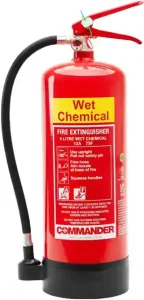
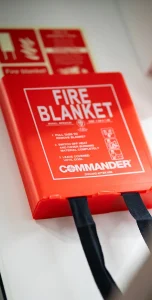
Every extinguisher service is carried out in line with BS5306, ensuring nothing is missed. As standard, we:
- Follow the full BS5306 service process.
- Check pressure and weight against manufacturer guidelines.
- Replace small consumables (o-rings, tags, pins).
- Inspect hoses, horns, body, and condition for damage or corrosion.
- Confirm extinguishers are clean, unobstructed, and correctly mounted with clear signage.
- Ensure instructions are legible and up to standard.
- Record and report any non-compliance, including failures or units due for discharge tests.
- Provide full service documentation and certification.
- Maintain an asset register with extinguisher type, condition, location, and notes.
Our BS 5306 Compliant Servicing Process
Commercial fire extinguisher checks are straightforward to follow.
Once you contact us, we will arrange a time together for our BAFE SP101 accredited engineers to attend your premises to check your extinguishers. Upon arrival, our engineers will likely ask if you have any previous fire extinguisher servicing documents to ascertain what equipment is on site (often referred to as an Asset List).
Once on site, they will systematically work through each location with an extinguisher and carefully check them in line with BS 5306 compliance guidelines. They will start with a visual inspection for damage, and then test the pressure and ensure all parts are in good working order. If your extinguisher needs new parts or refilling, a quotation for works will be provided prior to any additional works being undertaken, so you can be confident you won’t pay a penny more than quoted unless you agree.
Once the test is complete, you will receive paperwork confirming your compliance with regulations and the work that has been done.